

How to Spend 48 Hours in Pittsburgh, Pennsylvania

From its Gilded Age history to its storied sports teams, this western Pennsylvania city sits at the confluence of three rivers, and summer is a perfect time to make a getaway.

Pittsburgh Pirates’ PNC Park
There’s no place like a ballpark in the summer, and since its opening in 2001, the Pittsburgh Pirates’ PNC Park has been lauded as one of the best in the Major Leagues thanks to its amenities and amazing views of both the field and downtown Pittsburgh. Arrive early to see statues of Pirates greats such as Honus Wagner, Willie Stargell and Bill Mazeroski on the concourse outside the ballpark gates, and make sure to get tickets on the third-base side to take in the full view of the downtown skyline. The ballpark features a variety of food options, from the standard fare of hot dogs, pretzels and peanuts to the Pittsburgh-famous Primanti Brothers sandwiches. 115 Federal St., Pittsburgh, Pennsylvania 15212, 800/289-2827, mlb.com/pirates
The Clemente Museum
More than five decades after his death on Dec. 31, 1972, Roberto Clemente remains venerated not just for his Hall of Fame play but also for his humanitarian efforts. Housed in a former firehouse in the city’s Lawrenceville neighborhood, the museum contains memorabilia from Clemente’s playing career, including six of his Gold Glove Awards, as well as other artifacts connected to his life, including memorabilia from his military service and the propeller of the plane on which he died while delivering rescue supplies after an earthquake. Also on display is the Roberto Clemente Award — given to players who demonstrate character, community involvement and philanthropy — that was awarded to the late Red Sox and Pirates pitcher Tim Wakefield. 3339 Penn Ave., Pittsburgh, Pennsylvania 15201, 412/621-1268, clementemuseum.com
 Heinz History Center
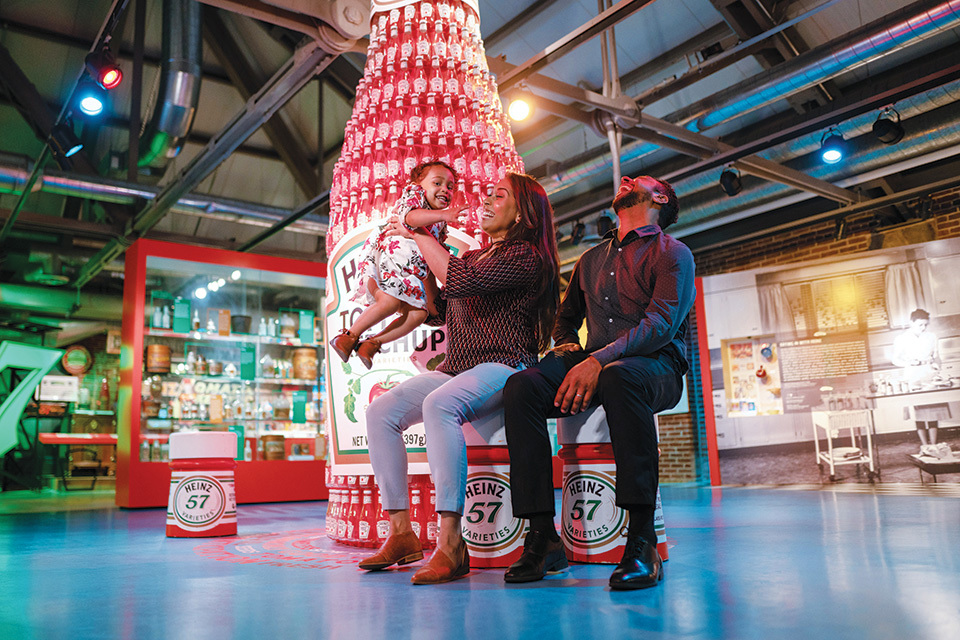
For nearly 150 years, western Pennsylvania has been chronicling its own history, and since 1996, that story has been presented at the Sen. John Heinz History Center in the city’s Strip District. The 370,000-square-foot museum includes permanent displays like the Franco Harris Sports Museum (with exhibits focusing not only on the Steelers, Pirates and Penguins, but also the city’s Negro League baseball, golf, auto racing and boxing history) and Mr. Rogers’ Neighborhood, which features props and sets from the iconic children’s show that was filmed in Pittsburgh. The history center also encompasses other Western Pennsylvania sites, including the Meadowcroft Rockshelter and Historic Village in Avella and the Fort Pitt Museum, which is located at Point State Park in downtown Pittsburgh. 1212 Small St., Pittsburgh, Pennsylvania 15222, heinzhistorycenter.org
 Duquesne and Monongahela Inclines
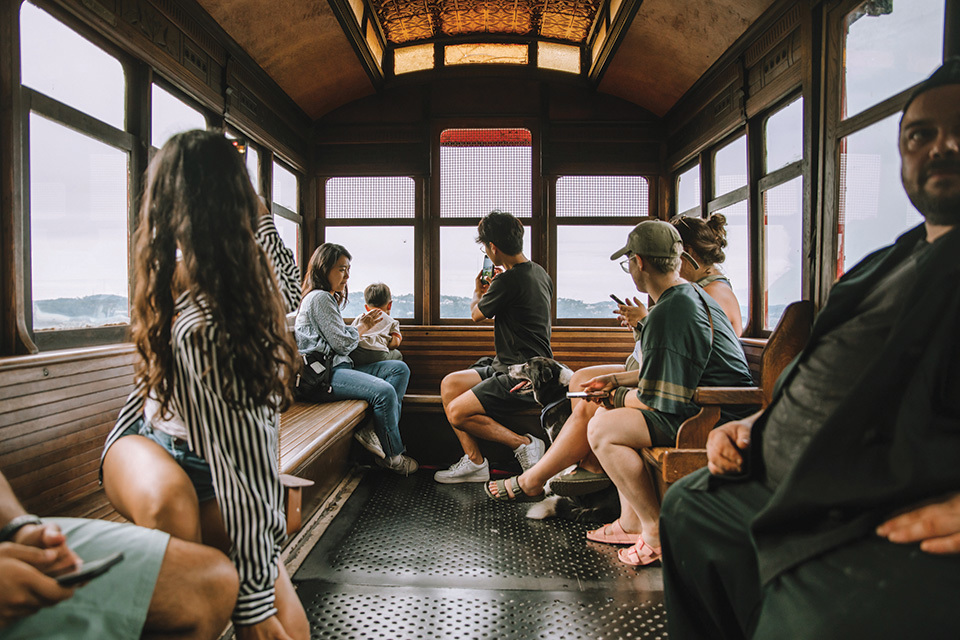
More than a century ago, Pittsburgh was filled with funicular railways — counterbalanced cars with a central power station — that carried people and goods up and down the city’s largest hills. Today, two remain: the Duquesne Incline and the Monongahela Incline, relics that date back to the years after the American Civil War. Both inclines can be found on Carson Street. The Monongahela (or Mon, as locals call it) is at Station Square, while the Duquesne is closer to Mount Washington. Both inclines ascend the mountain to reach overlooks that provide great views of downtown and the rivers. Monongahela: (Station Square Parking Garage) 301 W. Station Square Dr., Pittsburgh, Pennsylvania 15219, monongahelaincline.com; Duquesne: 1197 W. Carson St., Pittsburgh, Pennsylvania 15219, duquesneincline.org
Clayton at The Frick Pittsburgh Museums & Gardens
In 1882, newlyweds Henry Clay and Adelaide Frick moved into a home in Pittsburgh’s Point Breeze neighborhood, in the city’s east end. The home, Clayton, is now the centerpiece of The Frick Pittsburgh Museums & Gardens. The home is open for guided tours that tell the story of the Frick family — Henry Clay Frick was a noted figure in the city’s steel industry — and the Gilded Age, an era during which the city rose to industrial prominence. The Fricks lived at Clayton full time until 1905 and kept the house in the family. Their daughter Helen, who lived there for the last four years of her life until her death in 1984, built a museum on the grounds that houses her personal art collection and hosts traveling exhibits. 7227 Reynolds St., Pittsburgh, Pennsylvania 15208, 412/371-0600, thefrickpittsburgh.org
Story:
Vince Guerrieri
Issue:
Spring/Summer 2026